Preventing Disaster Fraud from Compounding Your Losses
Natural disasters can strike at any time. So if your business doesn’t already have one, it needs a formal plan to protect employees, customers, facilities and assets during a disaster and to restore operations as quickly as possible afterward. Make sure it’s comprehensive. Fraud risk is an often-overlooked component of disaster planning. This is where bad actors might take advantage of crises for personal gain. Here’s how to protect your organization.
CONTRACTORS WHO EXPLOIT URGENCY
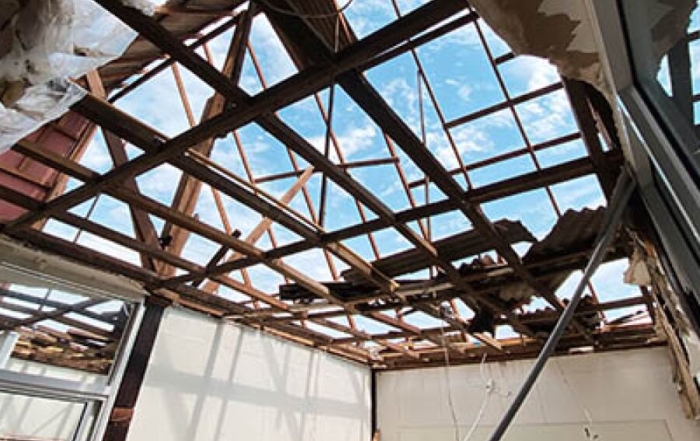
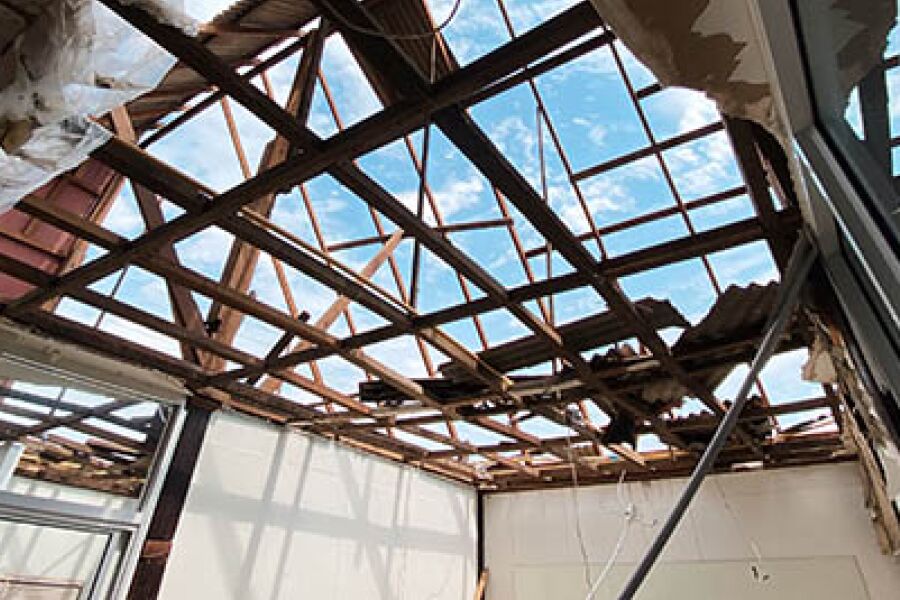
If your facilities are damaged, you may feel compelled to engage the first available contractor. Fraud perpetrators may exploit that urgency, along with shortages of qualified workers and building materials. They may demand upfront payments, inflate prices and even disappear before completing work.
To help reduce your business’s risk of contractor fraud, consider the following precautions:
Research contractors. Obtain several written estimates, check references and search online with terms such as “complaint,” “scam” and “lawsuit.”
Verify credentials. Confirm required licenses with the appropriate state or local agency and request current proof of insurance. Bonding requirements vary, so determine what applies in your situation.
Sign only detailed contracts. Your contract should specify the scope of work, materials, costs, timeline, warranties, payment schedule and procedures for approving changes. Never sign an agreement that contains blank spaces.
Schedule payments. Negotiate a reasonable deposit and tie later payments to construction milestones. Beware of demands for unusually large upfront payments or payment methods that provide little documentation or recourse. Independently verify new or changed payment instructions before transferring funds. Don’t make your final payment until the work meets the contract terms.
Be cautious if a contractor asks you to sign over an insurance check or uses the promise of insurance proceeds to pressure you into signing a contract. Also be wary of anyone who claims to represent a government agency, such as the Federal Emergency Management Agency or the U.S. Small Business Administration, and requests payments or sensitive information. Government impersonators may use emergencies to con business owners out of so-called application fees and other unnecessary payments.
Contact your insurer directly before engaging a contractor. Your insurance provider can explain your policy’s coverage and may provide information about qualified local contractors. Finally, keep good records of estimates, invoices, receipts and communications with your insurer, contractor and government agencies.
SCRUTINIZING CHARITABLE APPEAL
Fraudulent charities also commonly emerge after disasters. Scammers may create names and websites resembling those of established nonprofits and use high-pressure tactics to discourage careful research.
Before your business contributes, verify the organization’s tax-exempt status and eligibility to receive tax-deductible contributions through the IRS Tax Exempt Organization Search Tool. You can also check its registration with your state’s charity regulator. Avoid donation links in unsolicited emails, texts and social media posts. Instead, navigate directly to the organization’s website. And be sure to retain donation receipts and review account statements for unauthorized charges.
IMPLEMENT CONTROLS NOW
The best time to establish disaster-related fraud controls is before an emergency strikes. Decide who’s authorized to make emergency purchases and donations. Maintain lists of vetted contractors and charities. And establish formal policies for approving emergency expenditures and verifying new vendors. You should also implement procedures to report and respond to suspected fraud.
(This is Blog Post #1984)
Related Posts






About the Author: Roger Rossmeisl, CPA