Tax Benefits for Businesses that Accommodate People with Disabilities
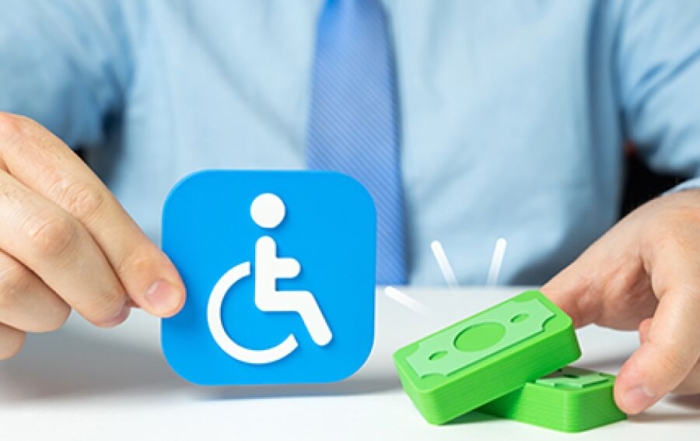
Businesses that make structural adaptations or other accommodations for employees or customers with disabilities may be eligible to save money on their taxes.
Here are the tax incentives for employers who provide accommodations for people with disabilities.
Disabled Access Credit
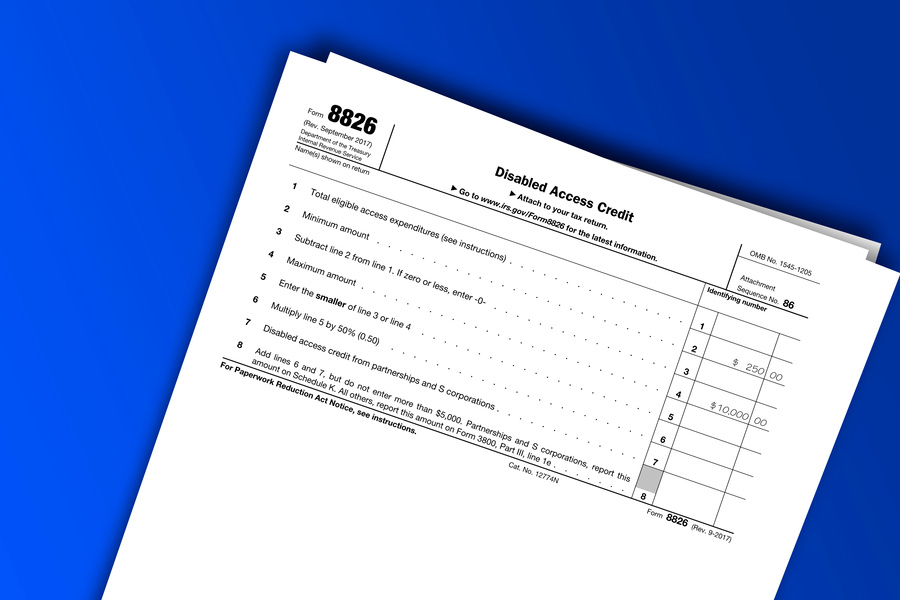
The Disabled Access Credit is a non-refundable credit for small businesses that have expenses for providing access to people with disabilities. An eligible small business is one that earned $1 million or less or had no more than 30 full-time employees in the preceding taxable year. The business can claim the credit each year they incur access expenditures They claim the credit by completing Form 8826, Disabled Access Credit, and filing it with their federal tax return.
Barrier Removal Tax Deduction
The Architectural Barrier Removal tax deduction encourages businesses of any size to remove architectural and transportation barriers to the mobility of people with disabilities and the elderly. Businesses may claim a deduction of up to $15,000 a year for qualified expenses on items that normally must be capitalized.
Businesses claim this deduction by listing it as a separate expense on their income tax return.
Businesses may use the Disabled Tax Credit and the architectural/transportation tax deduction together in the same tax year if the expenses meet the requirements of both sections. To use both, the deduction is equal to the difference between the total expenses and the amount of the credit claimed.
(This is Blog Post #1802)
Related Posts





About the Author: Roger Rossmeisl, CPA