(#298) Casualty Losses Can Provide a 2017 Deduction, But Rules Tighten for 2018
If you suffered damage to your home or personal property last year, you may be able to deduct these “casualty” losses on your 2017 federal income tax return. For 2018 through 2025, however, the Tax Cuts and Jobs Act suspends this deduction except for losses due to an event officially declared a disaster by the President.
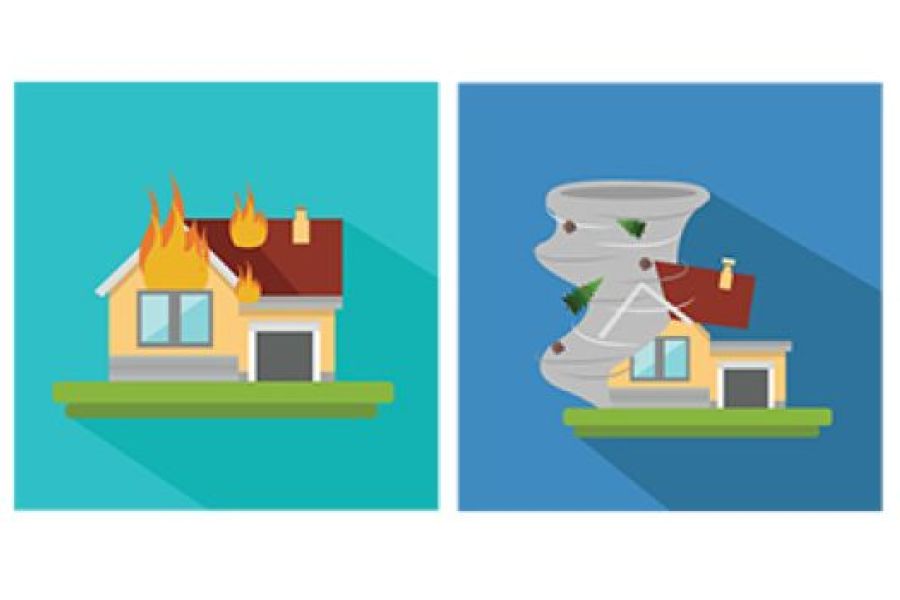
What is a casualty? It’s a sudden, unexpected or unusual event, such as a natural disaster (hurricane, tornado, flood, earthquake, etc.), fire, accident, theft or vandalism. A casualty loss doesn’t include losses from normal wear and tear or progressive deterioration from age or termite damage.
Here are some things you should know about deducting casualty losses on your 2017 return:
When to deduct
Generally, you must deduct a casualty loss on your return for the year it occurred. However, if you have a loss from a federally declared disaster area, you may have the option to deduct the loss on an amended return for the immediately preceding tax year.
Amount of loss
Your loss is generally the lesser of:
- your adjusted basis in the property before the casualty (typically, the amount you paid for it), or
- the decrease in fair market value of the property as a result of the casualty.
This amount must be reduced by any insurance or other reimbursement you received or expect to receive. (If the property was insured, you must have filed a timely claim for reimbursement of your loss.)
$100 rule
After you’ve figured your casualty loss on personal-use property, you must reduce that loss by $100. This reduction applies to each casualty loss event during the year. It doesn’t matter how many pieces of property are involved in an event.
10% rule
You must reduce the total of all your casualty losses on personal-use property for the year by 10% of your adjusted gross income (AGI). In other words, you can deduct these losses only to the extent they exceed 10% of your AGI.
Note that special relief has been provided to certain victims of Hurricanes Harvey, Irma and Maria and California wildfires that affects some of these rules. For details on this relief or other questions about casualty losses, please contact me.
Related Posts






About the Author: Roger Rossmeisl, CPA