


To Maximize . . . or Not to Maximize . . . Depreciation Deductions on your 2025 Tax Return

The deadlines for filing 2025 tax returns (or extensions) are fast approaching. Although most tax planning moves must be completed by December 31 of the tax year, there are some decisions you can make when filing your return that can save taxes now or in the future. One such decision is whether to claim accelerated depreciation breaks. Depreciation basics For assets with a useful life of more than one year, the cost generally must be depreciated over a period of years (unless accelerated depreciation breaks are available). In other words, taxpayers can deduct only a portion of the asset’s cost each year over the depreciation period. The depreciation period depends on the type of asset, ranging from three years (such as for software and small tools) to 39 years...

Receive $10,000 in Cash at your Dealership? The IRS Wants to Know About It

Does your dealership receive large amounts of cash or cash equivalents? If so, you’re generally required to report these transactions to the IRS — and not just on your tax return. Here are some answers to questions you may have. What are the requirements? Although many cash transactions are legitimate, the IRS explains that the information reported on Form 8300 “can help stop those who evade taxes, profit from the drug trade, engage in terrorist financing and conduct other criminal activities. The government can often trace money from these illegal activities through the payments reported on Form 8300 and other cash reporting forms.” Each person who, in the course of operating a trade or business, receives more than $10,000 in cash in one transaction (or two or more related transactions),...

California CDTFA Updates Pub 34: Motor Vehicle Dealers (3/2025)

The California Department of Tax and Fee Administration (CDTFA) has released an updated version of Publication 34: Motor Vehicle Dealers in March 2025. This guide helps motor vehicle dealers understand and comply with California’s sales and use tax laws for vehicle sales, leases, and use. The March 2025 update incorporates recent legislative changes, including those effective in 2025 and beyond, such as restrictions on bad debt deductions and the ongoing transition for used vehicle dealers to pay sales tax directly to the DMV. This blog post provides a comprehensive overview of the key updates and guidance from the publication to help dealers stay compliant. Background on Publication 34 Publication 34: Motor Vehicle Dealers covers tax obligations for sales, leases, and use of vehicles, including exemptions, reporting requirements,...

IRS Lists FAQs on Expiration of Energy Credits and Deductions Under OBBBA

As appearing in IRS Fact Sheet 2025-5 These FAQs are being issued to provide general information to taxpayers and tax professionals as expeditiously as possible. Accordingly, these FAQs may not address any particular taxpayer’s specific facts and circumstances, and they may be updated or modified upon further review. Because these FAQs have not been published in the Internal Revenue Bulletin, they will not be relied on or used by the IRS to resolve a case. Similarly, if an FAQ turns out to be an inaccurate statement of the law as applied to a particular taxpayer’s case, the law will control the taxpayer’s tax liability. Nonetheless, a taxpayer who reasonably and in good faith relies on these FAQs will not be subject to a penalty that provides...

The California Competes Tax Credit: A Boost for Businesses and Jobs in 2025/2026.

If you've been keeping an eye on economic incentives in the Golden State, you've probably heard about the California Competes Tax Credit (CCTC). This program just got a massive funding injection for the fiscal year 2025-2026: a whopping $922,694,691 allocated for tax credits. That's not pocket change—it's a strategic move to keep California competitive in attracting and retaining businesses. In this blog post, we'll break down what the CCTC is, why this allocation matters, how it works, and the real-world impact it could have on jobs and the economy. Let's dive in! What Exactly is the California Competes Tax Credit? The CCTC is an income tax credit program administered by the Governor's Office of Business and Economic Development (GO-Biz). Launched in 2014, it's designed to encourage businesses...

10 Tips for Cybersecurity on a Shoestring

Small businesses often lack financial resources to defend against cyberthreats, but you don’t need a large IT budget. Simple, cost-effective habits can help safeguard your company’s data, financial assets and reputation. Here are 10 practical ways to enhance cybersecurity without investing in expensive security-related infrastructure. In fact, many of these tips only require time to implement. 1. Know who has data access. Conduct quarterly checks on authorizations and remove users who no longer need access to certain files. Also, establish a process to immediately revoke logins for employees, contractors and partners when their business justification for access is complete. 2. Limit USB drive usage. Ensure employees know to never connect unknown USB drives to their laptops or desktops. If they need to share files, recommend using cloud-based...

Employers Must Certify Eligibility of New Hires to Claim the Work Opportunity Tax Credit

As appearing in IRS Tax Tip 2024-85 Employers who hire people from certain groups can reduce the tax they owe when they claim the Work Opportunity Tax Credit on their federal tax return. To claim the credit, an employer must first get certification an individual is eligible. This credit is extended through the end of 2025. It encourages employers to hire workers certified as members of any of 10 groups who face barriers to employment. When hiring, employers should review eligibility requirements for the Work Opportunity Tax Credit. Who are eligible employees An employee may be eligible if they are a member of one of the following groups: People who receive:   Long-term family assistance. Long-term unemployment. Supplemental Nutrition Assistance Program benefits. Supplemental Security Income. Temporary Assistance for Needy Families. Formerly...

No Tax on Car Loan Interest Under OBBBA 2025? Not Exactly

Under current federal income tax rules, so-called personal interest expense generally can’t be deducted. One big exception is qualified residence interest or home mortgage interest, which can be deducted, subject to some limitations, if you itemize deductions on your tax return. The One Big Beautiful Bill Act (OBBBA) adds another exception for eligible car loan interest. In tax law language, the new deduction is called qualified passenger vehicle loan interest. Are you eligible? Here are the rules. “No tax” isn’t an accurate description If you could deduct all your car loan interest, you’d be paying it with pre-tax dollars rather than with post-tax dollars — meaning after you paid your federal income tax bill. The new deduction has been called “no tax on car loan interest,” but...

A Tax Guide to Choosing the Right Business Entity

One of the most critical decisions entrepreneurs make when starting or restructuring a business is choosing the right entity type. This choice directly impacts how the business is taxed, the level of administrative complexity and regulatory compliance obligations. While legal liability considerations also matter, we will focus on tax implications. For liability advice, consult a legal professional. Whether launching a new venture or reassessing your current structure, understanding how each entity is taxed can help you make strategic and compliant decisions. Here’s a brief overview of five entities. Sole proprietorship: Simple with full responsibility A sole proprietorship is the easiest structure to set up. It’s owned and operated by one person and requires minimal administrative effort. Here are the main features: Taxation. Income and losses are reported...

OBBBA 2025 Includes a Game-Changer for Business Payment Reporting

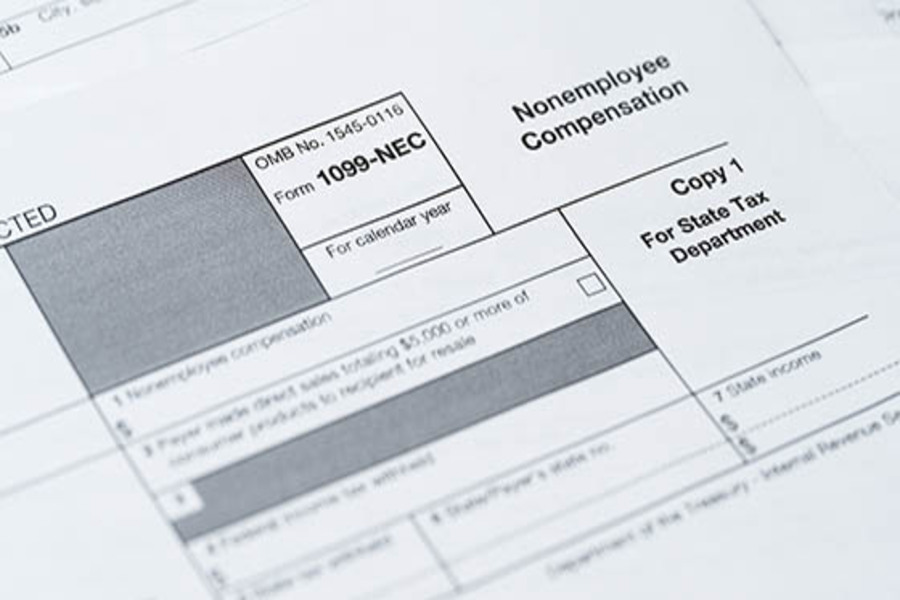
The One, Big Beautiful Bill Act (OBBBA) contains a major overhaul to an outdated IRS requirement. Beginning with payments made in 2026, the new law raises the threshold for information reporting on certain business payments from $600 to $2,000. Beginning in 2027, the threshold amount will be adjusted for inflation. The current requirement: $600 threshold For decades, the IRS has required that businesses file Form 1099-NEC (previously 1099-MISC) for payments made to independent contractors that exceed $600 in a calendar year. This threshold amount has remained unchanged since the 1950s! The same $600 threshold is in place for Forms 1099-MISC, which businesses file for several types of payments, including prizes, rents and payments to attorneys. Certain deadlines must be met. A Form 1099-NEC must be filed with the IRS...